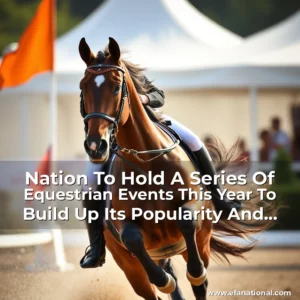
The Thrill of Competition: Exploring the World of Equestrian Sports
Equestrian sports are a dynamic blend of athleticism, strategy, and deep human-animal partnership that captivate audiences worldwide. From galloping across open fields to navigating intricate obstacle courses, these events showcase not only the skill of riders but also their ability to communicate seamlessly with horses.
This article delves into the rich tapestry of competitive riding disciplines, examining how each form emphasizes different aspects of horsemanship while maintaining a shared foundation of respect between rider and equine partner. We’ll explore everything from eventing’s grueling triathlon format to dressage’s artful precision.
The Evolution of Competitive Riding
Racing has been part of human history since ancient times, with early civilizations using horseback contests both for sport and military training. The Greeks held chariot races at Olympia around 700 BCE, establishing some of the first formalized competition formats involving horses.
Modern organized equestrian competitions trace their roots back to medieval tournaments where knights demonstrated swordsmanship skills atop steeds. These displays gradually evolved into specialized forms focusing solely on horsemanship rather than combat prowess.
The 19th century saw significant changes with the introduction of standardized rules by organizations such as the British Jockey Club and the French Hippodrome Association. This period marked the beginning of structured racing events with consistent judging criteria and safety regulations.
In contemporary times, international governing bodies like FEI (Fédération Équitation Internationale) oversee global competitions ensuring fair play and animal welfare standards are maintained across all levels of competition.
- Horse breeding advancements: Modern selective breeding techniques have produced faster, stronger breeds suited specifically for various types of equestrian challenges.
- Technological innovations: Advances in saddle design, bit technology, and track surfaces have significantly improved both rider comfort and horse performance.
Diverse Disciplines Within Equestrian Competitions
While all equestrian sports share a common foundation, they differ greatly in objectives, scoring systems, and required skills. Understanding these distinctions helps spectators appreciate the nuances behind each type of competition.
Dressage is often described as “horse ballet,” emphasizing elegance through precise movements executed under subtle cues from the rider. This discipline requires years of dedicated training to develop trust between athlete and mount.
Show jumping presents a thrilling challenge where competitors navigate a course filled with colorful obstacles within strict time limits. Success depends on a combination of speed, accuracy, and risk management strategies.
Eventing combines three phases – dressage, cross-country, and show jumping – creating a true test of versatility and endurance. Riders must balance technical perfection with physical stamina over several days of competition.
Courses vary dramatically depending on the discipline; dressage arenas maintain tight dimensions while show jumping tracks can span hundreds of meters with complex layouts designed to test agility and concentration.
Tackling Specific Challenges in Different Formats
A typical show jumping round might feature 8-12 fences placed strategically along a serpentine path requiring careful navigation. Penalties are incurred for knocking down rails or exceeding allowed jump heights.
In contrast, cross-country courses contain natural obstacles like water jumps, ditches, and banks, mimicking terrain found in wilderness areas. Courses typically range from 3km to 6km in length with steep gradients testing both horse and rider’s resilience.
Dressage tests usually last between four to seven minutes, during which judges evaluate execution against predetermined patterns consisting of basic gaits, transitions, and collected movements.
Each discipline carries its own scoring system reflecting core values: dressage prioritizes artistic expression, show jumping rewards clean rounds, and eventing balances performance across multiple demanding phases.
The Role of Judges and Officials
Accurate scoring and enforcement of rules require highly trained officials who understand the intricacies of each discipline. Their expertise ensures fairness and consistency across international competitions.
Judges in dressage use a numerical scale based on quality of movement, harmony between horse and rider, and obedience to the test pattern. Scores are typically given out of ten points with half-point increments possible.
Show jumping stewards monitor timekeeping devices and assess penalties for faults committed during the course. They also ensure compliance with equipment requirements specified by competition organizers.
Course designers work closely with organizing committees to create challenging yet safe environments suitable for participating teams. Their designs reflect current trends in athletic development while adhering strictly to FEI guidelines.
Ensuring Fair Play Through Technology
Electronic timing systems now replace traditional methods used in earlier decades, providing millisecond-level accuracy crucial for close finish decisions. These advanced systems help minimize disputes over standings.
Video replay technology allows referees to review contentious moments without bias, especially useful when assessing whether a fence was knocked down intentionally or accidentally.
Biometric sensors attached to riders’ helmets measure heart rate variability, offering objective data regarding stress levels during high-pressure situations. This information aids coaches in developing personalized training regimens.
Satellite tracking devices enable real-time monitoring of horse health parameters including hydration status, gait analysis, and muscle fatigue indicators. Such technologies enhance veterinary care capabilities during long-distance events.
Preparing for International Competitions
Competitive success begins well before stepping onto the arena floor. Athletes engage in rigorous preparation routines tailored to meet the demands of elite level competition.
Training programs incorporate strength conditioning exercises targeting core stability, flexibility, and muscular endurance essential for maintaining control at high speeds. Gym sessions complement regular riding practice sessions.
Psychological readiness plays a critical role in performance outcomes. Mental visualization techniques combined with breathing exercises help manage pre-competition nerves effectively.
Nutritionists collaborate with athletes to devise meal plans optimized for energy output and recovery processes. Hydration strategies are particularly vital during multi-day events like championships.
Fostering Team Dynamics
Veterinary support staff accompany teams to provide immediate medical attention whenever necessary. Their presence underscores the importance placed on animal welfare in professional settings.
Grooming professionals handle daily maintenance tasks ensuring horses remain healthy and comfortable throughout intensive schedules. Attention to hoof care becomes even more crucial during long travel periods.
Coaches serve dual roles as mentors and strategists, guiding athletes through tactical decision-making while nurturing emotional bonds formed between humans and animals involved in competitions.
Team cohesion develops naturally through shared experiences facing adversity together. Bonds forged during intense training sessions translate into better communication during actual competitions.
Notable Events in the Equestrian Calendar
The Olympics represent pinnacle achievements for many riders seeking recognition on world stage platforms. Both individual and team events offer opportunities for national pride representation.
The FEI World Championships provide another prestigious platform showcasing top talent from countries across globe. These biennial gatherings attract massive crowds eager witness spectacular performances.
Grand Prix series host weekly showcases featuring elite performers competing for substantial prize money incentives. These events contribute significantly towards ranking calculations used determining qualification spots for larger tournaments.
Miscellaneous speciality events cater niche interests ranging from side-saddle racing to vaulting competitions where gymnasts perform acrobatic feats upon moving mounts.
Regional and National Competitions
Local shows serve as entry points for aspiring competitors aiming progress upwards ladder leading international stardom. They foster grassroots participation crucial sustaining future generations talent pool.
Youth development programs exist within many nations aimed cultivating young riders through mentorship initiatives paired with scholarship funding options.
Community-based clubs offer affordable access facilities enabling enthusiasts pursue passion safely supervised environment under qualified instructors guidance.
These foundational activities collectively build strong infrastructure supporting continuous growth expansion sector globally.
Environmental Considerations in Equestrian Sports
Organizers increasingly prioritize ecological sustainability measures addressing climate change impacts affecting industry operations negatively. Implementing eco-friendly practices benefits both planet and participants alike.
Recycling programs collect waste materials generated during events reducing landfill contributions. Reusable items like water bottles gain popularity among attendees conscious environmental impact.
Biodiversity preservation efforts extend beyond mere aesthetics benefiting local wildlife ecosystems surrounding venues chosen hosting competitions annually.
Carbon offsetting schemes allow sponsors invest funds toward reforestation projects compensating emissions associated transportation logistics involved staging international fixtures regularly.
Promoting Green Initiatives
Electric-powered transport solutions gradually replacing conventional vehicles decreasing pollution levels within competition grounds premises.
Water conservation techniques implemented irrigation systems minimizing excessive usage during dry seasons when natural resources become scarce.
Education campaigns raise awareness regarding sustainable living choices influencing broader societal attitudes towards responsible consumption habits overall.
Collaborative partnerships formed between event organizers governmental agencies facilitate implementation effective green policies enhancing long-term viability entire profession.
Cultural Significance of Horse Racing Traditions
Horse racing holds profound historical significance shaping social structures across diverse cultures throughout millennia. Its influence persists today reflected in numerous traditions celebrated globally.
Derby Day in Britain marks annual celebration horse racing heritage characterized distinctive hat fashion worn spectators attending exclusive events honoring sporting legacy.
Kentucky Derby epitomizes American culture embodying themes freedom, ambition, and determination encapsulated thoroughbred racing spectacle attracting millions viewers yearly.
Other notable festivals include Dubai World Cup and Royal Ascot, each representing unique cultural expressions embedded within respective societies celebrating equestrian excellence simultaneously.
Tradition Meets Innovation
Despite technological advances transforming modern racing landscape, many customs endure preserving connection past present generations. Traditional betting methods coexist digital platforms catering varying preferences audience members.
Architectural styles employed racetracks often reflect regional influences incorporating elements indigenous design motifs harmonizing with surroundings aesthetically pleasing manner.
Culinary offerings available concession stands frequently feature locally sourced ingredients highlighting gastronomic diversity inherent multicultural communities gathering celebrate shared love for equine pursuits.
This interplay between tradition innovation ensures continued relevance equestrian sports evolving times maintaining deep-rooted connections people places histories intertwined with noble steeds.
Challenges Facing the Industry Today
The equestrian world faces multifaceted challenges impacting every aspect of competition organization and participant experience. Addressing these issues requires collaborative approaches combining technological solutions regulatory frameworks ethical considerations.
Animal welfare concerns drive ongoing debates regarding appropriate treatment conditions imposed upon performing animals. Balancing competitive rigor compassion remains delicate task requiring constant reassessment protocols established governing bodies.
Economic factors pose additional hurdles limiting accessibility wider demographics. High costs associated acquiring maintaining suitable mounts discourage potential new entrants wishing participate professionally.
Climate change affects availability suitable grazing lands influencing feed supply chains disrupting stable conditions needed sustaining healthy working relationships between athletes partners.
Adapting to Changing Realities
Virtual reality simulations aid training sessions allowing riders refine technique safely controlled environments eliminating risks associated physical exposure injuries.
Remote coaching models utilizing video conferencing tools expand educational reach making expert instruction accessible individuals regardless geographical location limitations.
Sustainable farming practices adopted breeders aim reduce carbon footprint associated producing premium-quality livestock meeting stringent competition requirements environmentally friendly ways.
These adaptive strategies demonstrate industry’s commitment overcoming obstacles embracing progressive mindset fostering inclusive ecosystem welcoming all interested parties irrespective background circumstances.
Conclusion
Equestrian competitions continue to thrive as vibrant expressions of human-equine collaboration blending centuries-old traditions with cutting-edge developments defining modern sporting landscapes.
Whether drawn by adrenaline-fueled action, appreciation for graceful movements, or admiration for strategic planning displayed competitors, there exists something captivating within realm equestrian sports waiting discovery engagement.