New barn in Silver Creek opens provides high level care for high level dressage horses
The Visionary Behind Whileaway Ranch
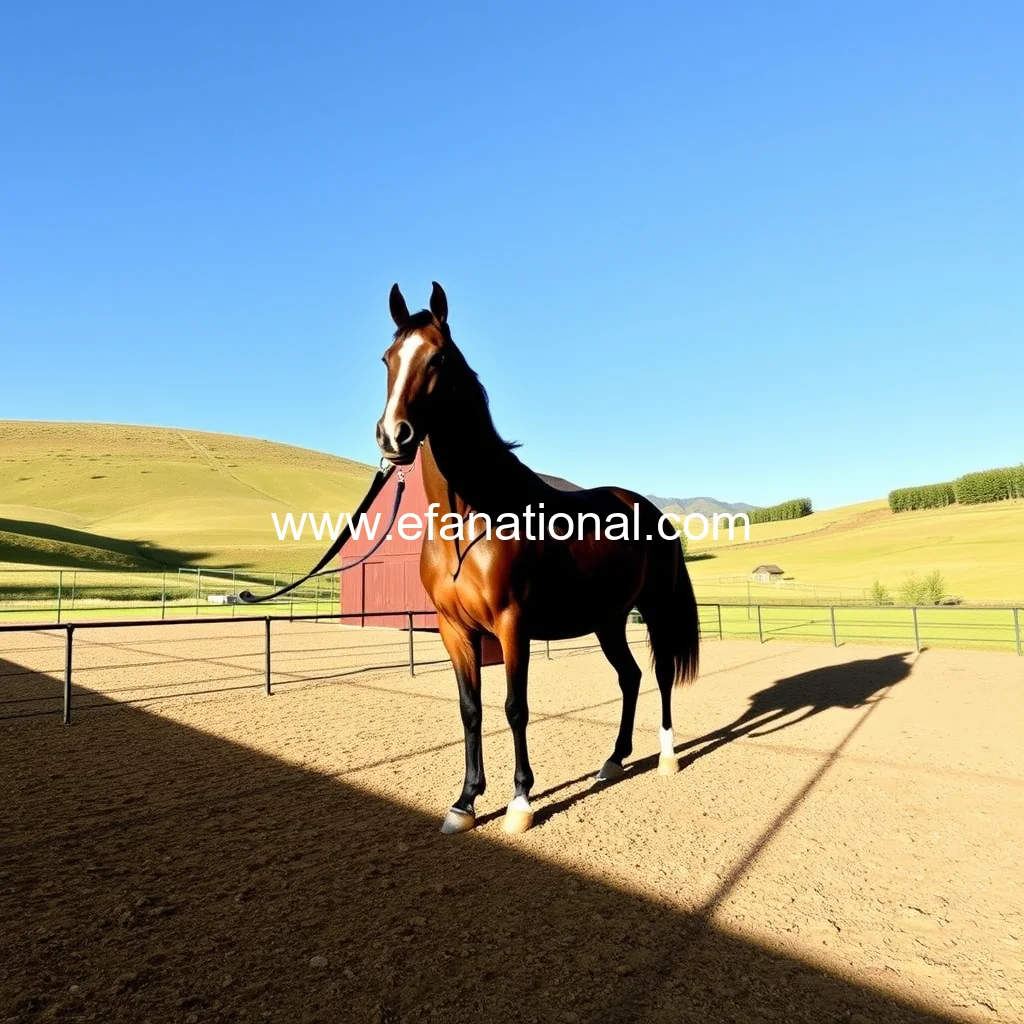
Jan Ebeling, a renowned dressage rider and trainer, has always been driven by a passion for excellence and innovation. His vision for Whileaway Ranch, a 10-stall boarding facility in Silver Creek, was to create a world-class equestrian center that would cater to the needs of top-level dressage horses and their riders.
She had been riding horses since she was 5 years old and had competed in numerous national and international competitions.
The Challenge of Finding a Suitable Barn
Geist faced a daunting task in finding a barn that could provide the level of care her dressage horse, a 15-year-old Dutch Warmblood named Atlas, required. As an experienced rider, she knew that dressage horses need regular grooming, precise feeding, and specialized care to maintain their physical and mental health. However, she found that many barns in the Wasatch Back area were not equipped to provide the level of care that her horse needed. Some barns lacked the space and facilities to accommodate a horse of Atlas’s size and breed. Others did not have the necessary equipment, such as specialized dressage equipment and a suitable arena. Geist also encountered barns that did not have a qualified staff or trainers to provide the specialized care and attention that her horse required.
The Solution: Building a Custom Barn
After months of searching, Geist decided to take matters into her own hands and build a custom barn for Atlas. She worked with a local architect and contractor to design and build a barn that would meet her horse’s specific needs. The new barn featured a spacious arena with a high ceiling, allowing Atlas to move freely and comfortably. The barn also included a specialized grooming area, complete with a wash stall and a tack room.
They can cost anywhere from $10,000 to $100,000 or more, depending on their bloodlines, training, and competition record. The cost of owning a dressage horse can be substantial, with expenses ranging from $5,000 to $20,000 per year.
The Value of a Dressage Horse
Dressage horses are highly prized for their athleticism, intelligence, and trainability.
“If a horse is not happy and fit and comfortable, it horse will not perform well.”
The Connection Between Classical Philosophy and Horsemanship
The relationship between classical philosophy and horsemanship is rooted in the idea that a horse’s well-being is essential to its performance. This concept is not new, but it has gained significant attention in recent years, particularly among equestrian professionals and enthusiasts.
The Importance of a Horse’s Mental Health
A horse’s mental health is just as crucial as its physical health. According to Geist, a horse’s mental state can affect its behavior, performance, and overall well-being. For instance, a horse that is stressed or anxious may exhibit abnormal behaviors such as pacing, pawing, or even aggression. Examples of mental health issues in horses include:
- Equine anxiety disorders
- Equine compulsive disorders
- Equine behavioral problems
- The concept of “entelechy,” which refers to the idea that a horse’s natural behavior and instincts should be respected and encouraged. The importance of “temperament,” which refers to a horse’s individual personality and characteristics.
- Balance: The classical riding style emphasizes the importance of balance in both the rider and the horse. This balance is achieved through a combination of physical and mental discipline. Harmony: Harmony is another key principle of classical riding. This harmony is achieved through a deep understanding of the horse’s body language and the rider’s own body language. Elegance: Elegance is the final key principle of classical riding. This elegance is achieved through a combination of balance, harmony, and a deep understanding of the horse’s movement.
- Improved balance and coordination: The classical riding style helps to improve balance and coordination in both the rider and the horse. Increased harmony and understanding: The classical riding style helps to increase harmony and understanding between the rider and the horse. Improved communication: The classical riding style helps to improve communication between the rider and the horse.
Here are some key aspects of dressage that make it a challenging and captivating sport.
The Art of Dressage
Dressage is a highly technical and precise sport that requires a deep understanding of horse behavior, psychology, and training methods. It involves a series of predetermined movements, known as piaffe, passage, and pirouette, which are performed in a specific order and with precise timing. The goal is to create a harmonious and balanced partnership between the horse and rider, showcasing the horse’s athleticism, obedience, and poise.
Key Elements of Dressage
- Piaffe: A slow, elevated trot where the horse’s legs are lifted high off the ground, creating a rhythmic and elegant movement. Passage: A faster, more fluid trot where the horse’s legs are lifted even higher, creating a sense of weightlessness and fluidity.
“It takes a lot of hard work and dedication to get to that point.”
The Art of Dressage
Dressage is a highly technical and precise equestrian sport that requires a deep understanding of horse behavior, psychology, and physiology. It is a discipline that demands a strong partnership between the horse and rider, where the horse’s natural ability is honed and refined through careful training and education.
The Horse’s Role
The horse is the true star of the dressage arena. Its natural ability and athleticism are showcased through a series of precise movements, including piaffe, passage, and pirouettes. The horse’s body language and behavior are also carefully observed and interpreted by the rider, who must be able to read the horse’s subtle cues and respond accordingly. Key characteristics of a well-trained dressage horse: + Suppleness and responsiveness to the rider’s aids + Balance and poise + Power and control + Ability to perform complex movements with precision and accuracy
The Rider’s Role
While the horse is the true star of the dressage arena, the rider plays a crucial role in the partnership.
The horse responds to the subtlest cues, and the rider must be aware of the subtlest changes in the horse’s body language to communicate effectively.
Understanding the Horse’s Body Language
The horse’s body language is a crucial aspect of effective communication between horse and rider. A horse’s body language is a complex system of signals that convey emotions, intentions, and needs.
She spent $1.5 million on the property, and another $1.5 million on the indoor arena. The arena was 60 feet by 100 feet, with a 30-foot ceiling. It was designed to accommodate 1,000 people, with seating for 800. The arena was equipped with a sound system, lighting, and a bar.
The Visionary’s Dream
Geist’s vision for her indoor arena was not just about hosting events, but also about creating a unique experience for her customers. She wanted to provide a space where people could come together, socialize, and enjoy live music, sports, and other performances.
The ranch is located in the heart of the Texas Hill Country, offering a serene and peaceful environment for those seeking a unique and transformative experience.
The Concept Behind the Ranch
The concept behind Whileaway Ranch is rooted in the idea of holistic wellness and self-discovery. The ranch aims to provide a safe and nurturing environment where individuals can disconnect from the stresses of modern life and reconnect with themselves, nature, and others.
The Role of Classical Philosophy in Horsemanship
Classical philosophy, particularly the ideas of Aristotle and Plato, has influenced the development of horsemanship. These philosophers emphasized the importance of balance, harmony, and moderation in all aspects of life, including horse training and management. Key principles of classical philosophy in horsemanship include:
Practical Applications of Classical Philosophy in Horsemanship
The principles of classical philosophy can be applied in various ways to improve horse training and management.
This classical riding style is characterized by a focus on balance, harmony, and elegance. The classical riding style is a holistic approach to riding, encompassing not only the physical aspects of riding but also the mental and emotional aspects.
The Classical Riding Style
The classical riding style is a philosophy that emphasizes the importance of balance, harmony, and elegance in the rider and the horse. This style of riding is based on the principles outlined by Xenophon in his book “On the Art of Horsemanship”. The classical riding style is not just about riding a horse, but about developing a partnership between the rider and the horse.
Key Principles of Classical Riding
The Benefits of Classical Riding
The classical riding style has numerous benefits for both the rider and the horse. Some of the benefits include: