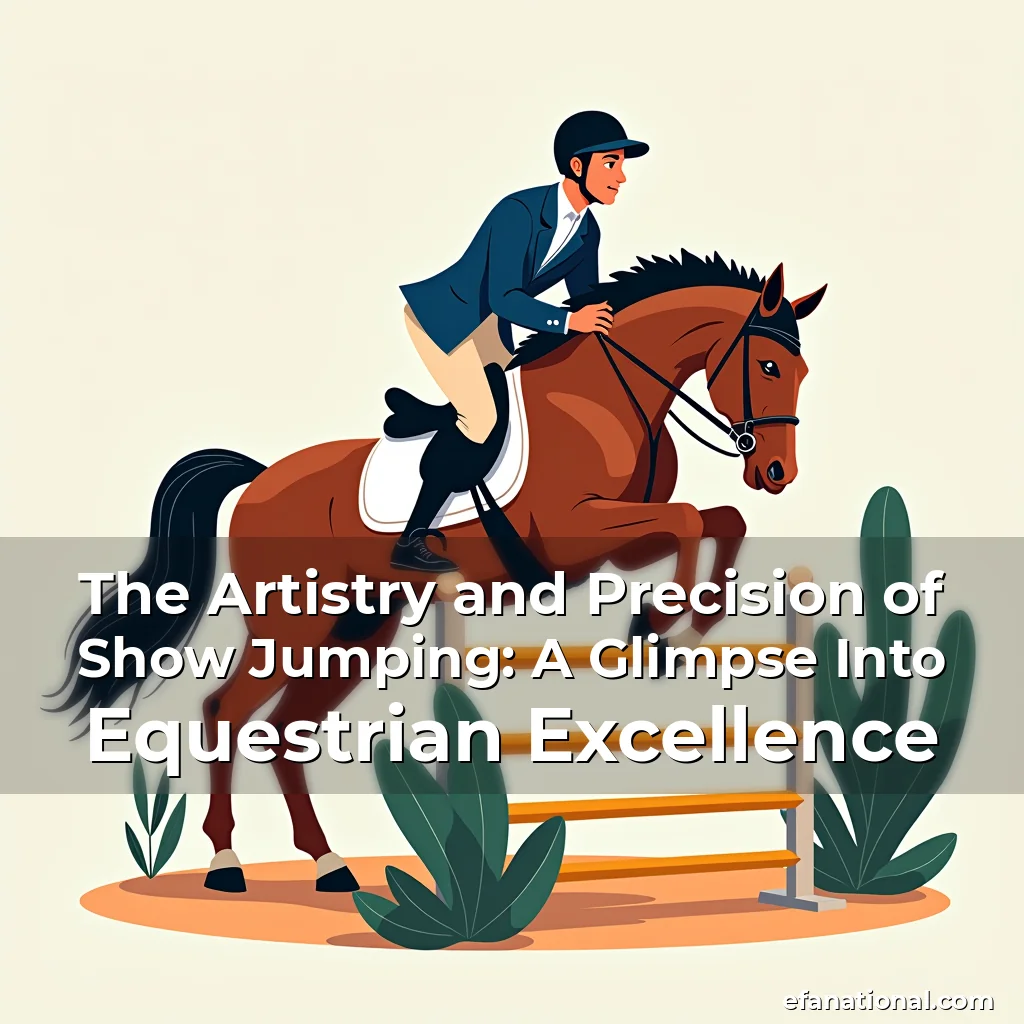
The Artistry and Precision of Show Jumping: A Glimpse Into Equestrian Excellence
Show jumping is an exhilarating sport that combines athleticism, precision, and deep human-animal partnership. It’s where riders guide their horses through complex obstacle courses at high speeds while maintaining elegance and control.
This dynamic discipline captivates audiences worldwide with its blend of speed, strategy, and grace. From prestigious international competitions to local shows, show jumping continues to grow in popularity among both competitors and spectators alike.
Origins and Evolution of Show Jumping
Show jumping traces its roots back to medieval times when knights trained their steeds for military exercises involving jumps over natural obstacles.
The modern version of the sport began taking shape in the late 18th century as horse racing enthusiasts started incorporating jump elements into their events.
In the early 20th century, formalized rules and standardized competition formats emerged, paving the way for today’s structured show jumping competitions.
The introduction of grand prix classes marked a significant turning point, establishing show jumping as a premier equine sport with substantial prize money and global recognition.
Understanding the Mechanics of Show Jumping Courses
A typical show jumping course consists of carefully designed combinations of fences placed at strategic intervals along a track measuring approximately 600 meters long.
Riders must navigate these obstacles within a specified time limit without knocking down any rails or refusing jumps, which would result in penalties.
Each fence is constructed from materials such as wood, metal, or synthetic composites, ensuring safety while presenting challenging configurations.
Courses often include doubles and triples – consecutive jumps requiring precise timing and coordination between rider and horse.
- Distance management: Maintaining optimal distance between fences requires calculated pacing and spatial awareness
- Balancing acts: Riders must find the perfect equilibrium between pushing forward and allowing the horse to collect energy appropriately
- Judgment calls: Deciding when to take risks versus playing safe becomes crucial during intense competition scenarios
The Role of the Rider in Show Jumping Success
Experienced show jumpers develop intuitive communication methods with their horses through years of training and trust-building exercises.
A rider’s position, rein contact, and leg aids significantly influence how well a horse performs under pressure situations.
Proper technique involves keeping hands steady, using subtle seat movements, and employing effective weight distribution techniques.
Mastering transitions between gaits – especially canter-to-trot changes – remains essential for executing difficult course patterns successfully.
Horse Selection and Training in Show Jumping
Selecting suitable show jumping horses begins with identifying individuals who possess inherent athletic ability combined with calm dispositions.
Breed characteristics play a role, though many successful show jumpers come from diverse bloodlines including Thoroughbreds, Warmbloods, and even some Quarter Horses.
Early training focuses on building confidence through ground work before progressing to basic riding skills development.
Purposeful conditioning programs ensure horses maintain peak physical condition throughout competitive seasons.
Consistent exposure to varied environments helps build mental resilience necessary for handling unpredictable course conditions.
Training Methodologies and Techniques
Modern show jumping trainers employ a combination of classical dressage principles alongside innovative teaching approaches tailored to each horse’s learning style.
Positive reinforcement techniques have gained prominence in recent decades, emphasizing reward-based learning rather than punitive measures.
Customized exercise regimens address individual strengths and weaknesses identified through regular performance assessments.
Data analytics tools now allow trainers to track progress metrics objectively, enabling targeted improvements in areas needing attention.
Equipment Essentials for Competitive Show Jumping
Specialized gear plays a vital role in enhancing both rider comfort and horse safety during competitions.
Safety vests are mandatory protective equipment for all participants, offering critical injury prevention benefits.
Well-fitted saddles distribute rider weight evenly across the horse’s back, minimizing discomfort and maximizing control opportunities.
Appropriate bit selection ensures clear yet gentle communication between rider and mount throughout various phases of competition.
The Psychological Aspects of Show Jumping Performance
Mental preparation is as crucial as physical readiness when competing at elite levels of show jumping.
Top athletes engage in visualization exercises to mentally rehearse courses before actual attempts, improving muscle memory retention.
Stress management techniques help riders maintain focus amidst crowd noise and other external distractions.
Developing emotional intelligence enables handlers to better understand their horses’ non-verbal cues and respond accordingly.
Differentiating Between Types of Show Jumping Competitions
Variety exists within show jumping disciplines based on factors such as horse age groups, skill levels required, and types of courses used.
Youth divisions provide aspiring riders with foundational experiences while senior categories challenge seasoned professionals with increasingly difficult challenges.
Grand prix events represent the pinnacle of achievement, featuring top-tier talent vying for substantial financial rewards.
Team competitions add another layer of complexity by requiring synchronized performances from multiple riders working towards shared objectives.
The Global Show Jumping Scene and Major Events
Show jumping enjoys widespread appeal across continents, with countries investing heavily in developing world-class facilities and training programs.
The FEI World Cup series showcases exceptional talents through a circuit format that tests consistency against varying course designs globally.
Olympic Games feature prominently in show jumping calendars, bringing together national teams representing every participating country.
Major championships like the Rolex Grand Slam offer substantial prizes while elevating the profile of individual champions worldwide.
Environmental Considerations in Modern Show Jumping Practices
Sustainability initiatives are gaining traction within equestrian communities aiming to reduce environmental impact responsibly.
Organizations implement waste reduction strategies by utilizing biodegradable materials wherever possible without compromising safety standards.
Water conservation efforts focus on efficient irrigation systems for arenas while protecting surrounding ecosystems from unnecessary strain.
Eco-friendly transportation solutions help minimize carbon footprints associated with transporting horses and equipment internationally.
Frequently Asked Questions About Show Jumping
What makes show jumping different from other equestrian sports?
Show jumping distinguishes itself through its emphasis on navigating intricate obstacle courses at high speeds while preserving elegance and accuracy.
How do judges evaluate performances during competitions?
Judges assess entries based on several criteria including number of faults incurred, time taken to complete courses, and overall presentation quality.
Can anyone learn to ride in show jumping?
With appropriate instruction and gradual progression, most people can develop sufficient skills to participate safely in lower-level competitions.
Are there age restrictions for competing in show jumping events?
While junior categories exist specifically for younger riders, there are generally no upper limits preventing adults from pursuing this exciting discipline at any stage of life.
Conclusion
Show jumping represents a remarkable fusion of human expertise and animal capability that continues to evolve continuously.
Whether you’re an experienced competitor or simply enjoy watching from the stands, understanding this captivating sport adds new dimensions to your appreciation of equestrian activities.

news is a contributor at EFA National. We are committed to providing well-researched, accurate, and valuable content to our readers.